Practical ideas from the stories we tell — plus ways shoppers can help.
Using the blog as a business owner
Even if you are not featured, the stories here can be useful research. Notice how other owners describe their products, what makes a gift guide pick stand out, and which seasons and events draw shoppers out. Borrow what fits your own Pittsburgh small business, skip what does not, and keep a running list of ideas you want to try.
Every Pittsburgh small business started with one product, one customer, and one owner willing to try. Reading how others got going is a reminder that the first step does not have to be perfect, and that the local community is often ready to cheer a new Pittsburgh small business on.
If you are thinking about joining the marketplace, the vendor spotlights also show what a finished storefront and story can look like. It can help to read a few before you write your own.
Tell your story
Shoppers buy from a Pittsburgh small business because of the people behind it. Share why you started, what your process looks like, and what makes your product yours. A few honest sentences and good photos often do more than a discount.
- Write a short “about us” you can reuse on your website, social pages, and marketplace storefront.
- Show your workspace and your process, not just finished products.
- Mention your neighborhood or town. Local shoppers love knowing where something was made.
Make it easy to buy online
Many customers will find you on a phone, often late at night. If they cannot buy in a few taps, they move on. Keep listings clear, prices visible, and photos well lit. Answer the common questions — sizes, ingredients, shipping or pickup — right on the product page.
Know your numbers
Every Pittsburgh small business owner eventually faces big decisions: raising prices, taking on a new hire, signing a lease, or switching card processors. Run the math before you commit. Simple calculators and a monthly look at your profit and loss can turn a stressful guess into a clear choice.
Lean on free local and national resources
You do not have to figure everything out alone. The U.S. Small Business Administration offers free guides on planning, funding, and managing a business at sba.gov, and it can point you to local counseling and training partners. For the case for buying local, the American Independent Business Alliance shares research on how independent businesses support their communities. Chambers of commerce and neighborhood business groups are worth a look, too.
Show up in person
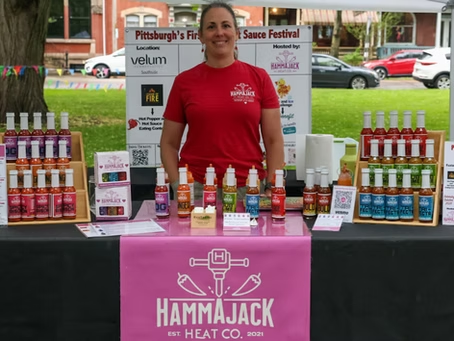
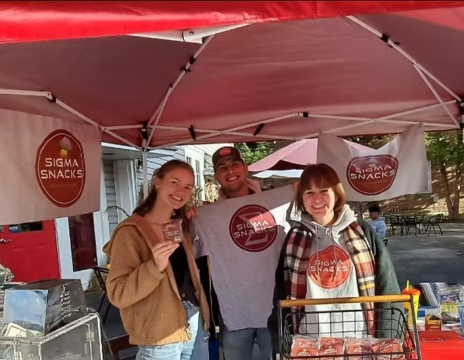
Online sales and in-person events help each other. Pop-up markets, holiday fairs, and neighborhood festivals put your products in people’s hands, and those shoppers often become online customers later. Bring a simple sign or card that tells people where to find you online.
Selling online for the first time
If your business has only sold in person, going online can feel like a big leap. Start small. Pick a handful of your best sellers, photograph them well, and write descriptions that answer the questions customers ask you at the counter. Decide how you will handle pickup, local delivery, or shipping before the first order comes in, so you are not scrambling when it does.
A local marketplace can make that first step easier because shoppers there are already looking for a Pittsburgh small business to buy from. You spend less time competing with global sellers and more time reaching people who live nearby.
Planning for slow seasons
Almost every Pittsburgh small business has a rhythm. Holiday months may be busy while late winter is quiet, or summer festivals may carry the year. Look back at your sales by month and plan around the slow stretches: build a cash cushion in good months, schedule product launches for the times shoppers are most active, and use quiet weeks for the projects you never have time for, like updating photos or trying a new product.
Working with other local businesses
Other owners are not just competition. Many of the best ideas come from teaming up: a coffee shop that carries a local baker’s cookies, a gift box that bundles products from three makers, or a shared table at a holiday market. Collaborations like these introduce each Pittsburgh small business to the other’s customers, and shoppers love discovering several local favorites at once.
Keeping customers coming back
Winning a first sale is hard; keeping that customer is easier and often more valuable. Thank people personally when you can. Include a handwritten note or a small card in orders. Let customers know when new products arrive or when you will be at a market. A simple email list or social account you update regularly can turn a one-time buyer into a regular.
Pricing with confidence
Many small business owners underprice their work, especially when they are starting out. Your price needs to cover materials, your time, fees, and something left over to grow. Look at what similar local products sell for, add up your true costs, and do not be afraid to explain what makes your product worth it. Customers who choose local are often happy to pay for quality and a real story.
Taking care of the owner
The business only runs as well as the person running it. Owners who never take a day off often burn out right when things start to grow. Block off time each week that is not for orders or email. Write down the tasks only you can do, and look for ones you could hand off, automate, or simply stop doing.
Talk with other owners, too. Many of the challenges you face, from slow months to tricky customers, are ones someone else has already worked through. A coffee with another local owner can save you weeks of trial and error, and it is one more way the local business community makes everyone stronger.
How shoppers can support a Pittsburgh small business
You do not need a big budget to make a difference. Small habits add up:
- Check for a local option before you open a global shopping app.
- Buy gifts from local makers for birthdays, holidays, and thank-yous.
- Leave a review or share a post from a business you love.
- Tell a friend. Word of mouth is still the most powerful marketing a Pittsburgh small business has.
- Visit local markets and events, and say hello to the owners.